How I Define My Stop Loss Before Entry
Every trade I take has a stop before the order goes in. Not after. Not adjusted during. Before.
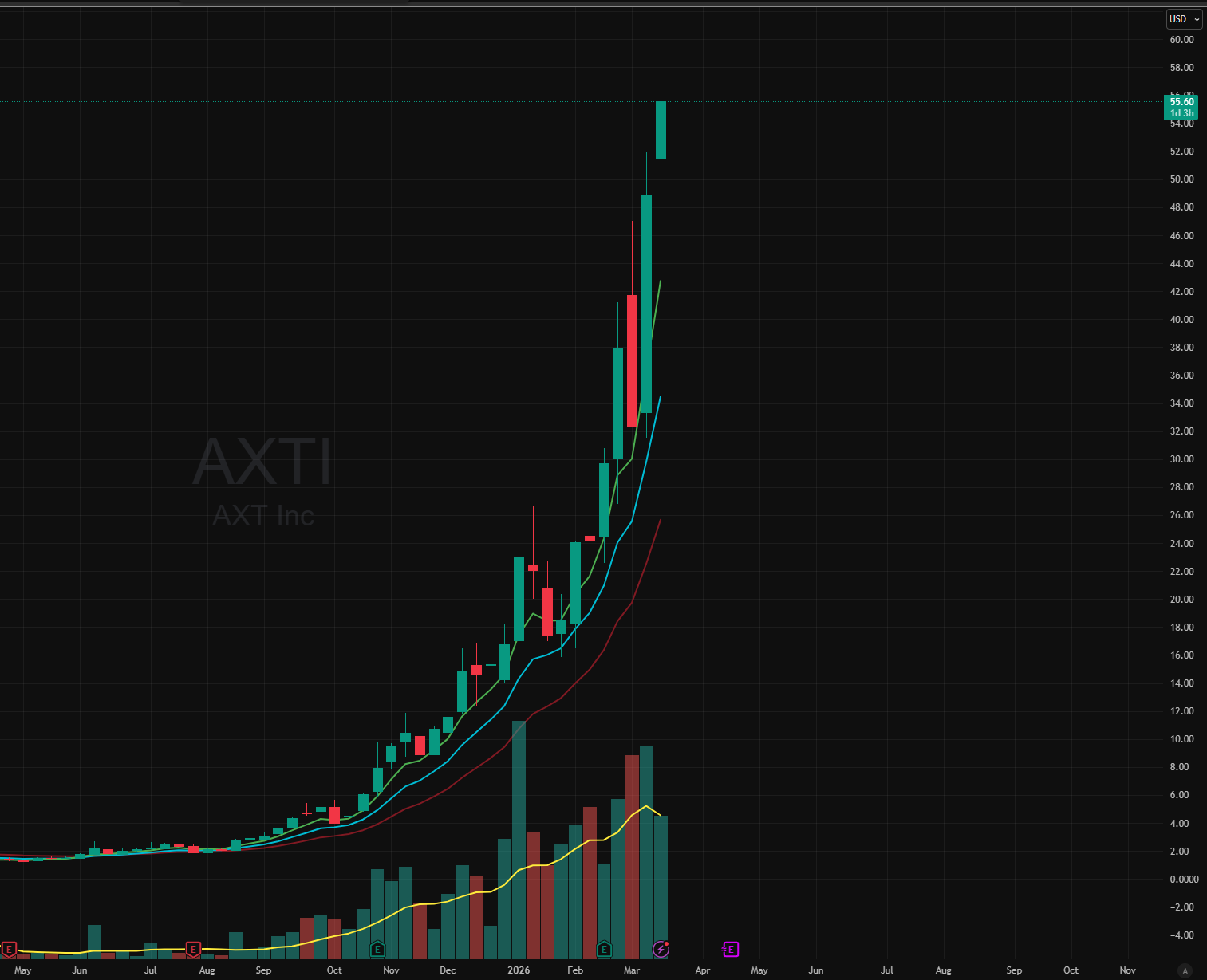
The stop is structural, not arbitrary. I do not pick a percentage and subtract it from the entry price. I look at where the trade thesis breaks down — the price level where the setup no longer makes sense — and I place the stop just below that. On weekly charts, that means the most recent meaningful swing low. The level where, if price falls beneath it, the stock is no longer acting the way a strong setup should act.
This matters for two reasons. First, the stop distance determines position size. A tight base with a close stop means I can take a larger position. A loose base with a wide stop means fewer shares. Either way, the risk per trade stays controlled because the size adjusts to the stop, not the other way around.
Second, a pre-defined stop removes the temptation to negotiate with a losing position. No moving the stop wider because the trade needs more room. No hoping for a reversal. Price hits the level, the trade is done.
The discipline is not in taking the loss. The discipline is in setting the level before you have a reason to cheat.
Trade Like a Pirate ☠️
—
📢 Free weekly scan + trade updates: t.me/PiratosTrades
🔒 Full trade details: piratostrades.com/vip
📈 TradingView | 🏦 IBKR